-

How Do You Load Unity Scenes Without Freezing?
Learn how to load Unity scenes without freezing by using LoadSceneAsync, controlled activation, accurate progress UI, and smaller startup work for mobile and VR builds.
-

How Do You Create Game-Ready LODs in Blender for Unity?
Learn how to create game-ready LODs in Blender, protect silhouettes and UVs during decimation, export clean meshes, and configure Unity LOD Groups for mobile and VR.
-
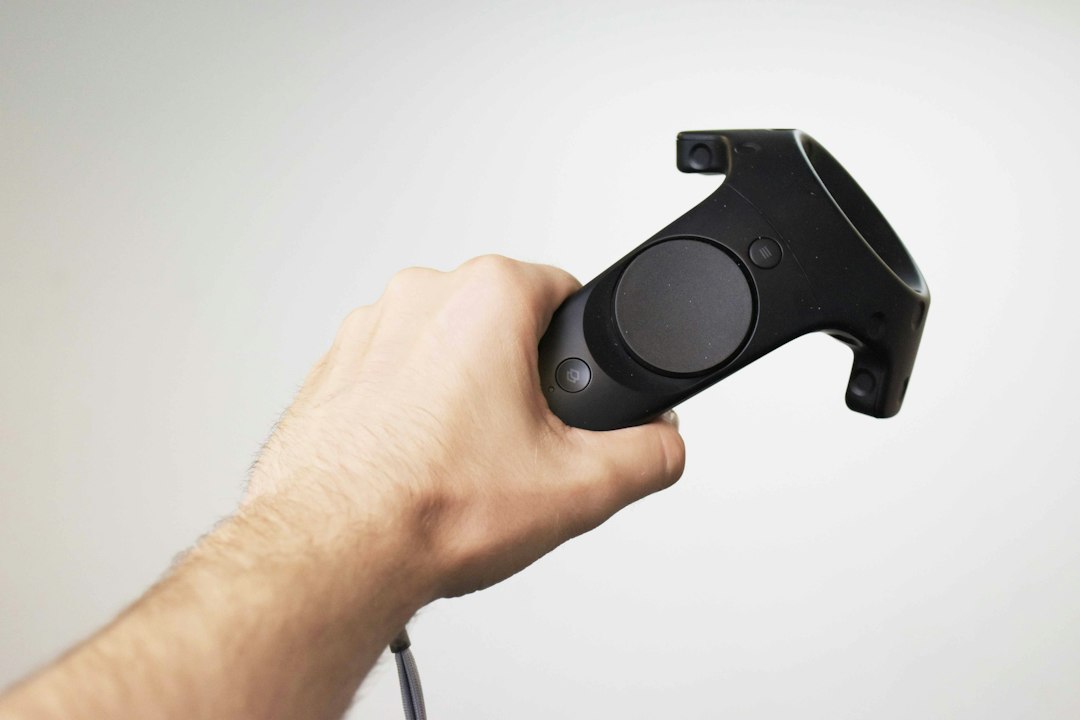
Why Do Grabbed Objects Jitter in Unity VR?
Learn why grabbed objects jitter in Unity VR and how to fix movement types, Rigidbody timing, predicted visuals, attach transforms, colliders, smoothing, and headset testing.
-

Unity Addressables vs Resources: Which Should You Use?
Choose Unity’s right asset-loading path: direct references for always-needed content, Resources for tiny exceptions, and Addressables for scalable asynchronous loading, memory ownership, and optional remote updates.
-

How Do You Save Player Progress Safely in Unity Games?
A durable Unity save system separates runtime objects from serializable data, writes JSON to persistentDataPath, keeps a backup, versions its schema, and saves at reliable lifecycle points.
-

VR UI Buttons in Unity: Why Do They Trigger Twice?
VR buttons that misfire, ignore rays, or execute twice usually reveal duplicate input paths or overlapping targets. Use this Unity XR checklist to make world-space menus reliable.
-

How Do You Prevent Garbage Collection Spikes in Unity?
Unity GC spikes can interrupt smooth mobile and VR gameplay. Learn how to find GC.Alloc sources, remove per-frame allocations, reuse buffers, pool objects, and validate fixes on target devices.
-

How Do You Bake High-Poly Detail to Low-Poly in Blender?
How do you keep sculpted detail without sending a dense mesh to a mobile or VR build? Follow a practical Blender workflow covering UVs, cages, ray distance, normal maps, and Unity import checks.
-

VR Locomotion in Unity: Teleport, Snap Turn, or Smooth Move?
Should your Unity VR game use teleportation, snap turning, smooth movement, or all three? Compare the comfort trade-offs, XR Interaction Toolkit setup, and a practical headset-testing workflow.
-

ScriptableObject vs MonoBehaviour: Where Should Data Live?
Should Unity data live in a ScriptableObject, a MonoBehaviour, or a plain C# class? This practical guide separates shared definitions, scene behaviour, runtime state, and save data.

