-
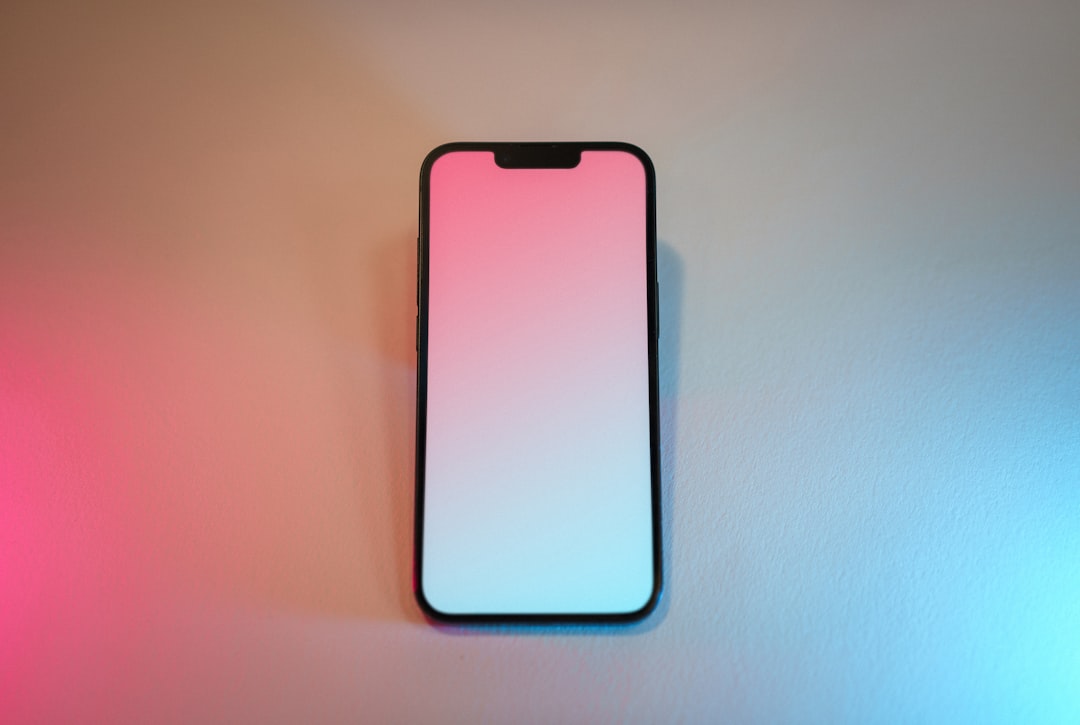
How Do You Keep Unity Mobile UI Inside the Safe Area?
Learn how to keep Unity mobile UI clear of notches, rounded corners, and system gestures with a reusable safe-area panel, responsive Canvas setup, C# script, and device-testing checklist.
-

Unity Addressables vs Resources: Which Should You Use?
Choose Unity’s right asset-loading path: direct references for always-needed content, Resources for tiny exceptions, and Addressables for scalable asynchronous loading, memory ownership, and optional remote updates.
-

How Do You Save Player Progress Safely in Unity Games?
A durable Unity save system separates runtime objects from serializable data, writes JSON to persistentDataPath, keeps a backup, versions its schema, and saves at reliable lifecycle points.
-

How Do You Design a Fair Mobile Puzzle Difficulty Curve?
Difficulty should grow by asking players to combine familiar ideas, not by hiding information or punishing experimentation. Learn a practical level-design workflow for fair, satisfying mobile puzzles.
-

How Do You Prevent Garbage Collection Spikes in Unity?
Unity GC spikes can interrupt smooth mobile and VR gameplay. Learn how to find GC.Alloc sources, remove per-frame allocations, reuse buffers, pool objects, and validate fixes on target devices.
-

Swipe Controls in Unity: How Do You Make Them Reliable?
Why do swipe controls feel perfect in the Unity Editor but unreliable on a phone? Learn a repeatable approach to thresholds, direction mapping, input locks, and real-device testing.
-

ScriptableObject vs MonoBehaviour: Where Should Data Live?
Should Unity data live in a ScriptableObject, a MonoBehaviour, or a plain C# class? This practical guide separates shared definitions, scene behaviour, runtime state, and save data.
-

Can One Unity Project Support Both Mobile and VR?
Can the same Unity project become both a mobile game and a VR experience? Yes—but only when core gameplay is separated from input, presentation, and platform-specific systems.
-
Why Small Games Matter More Than Ever in 2026
The gaming industry keeps getting bigger. Bigger worlds, bigger budgets, bigger expectations. But something unexpected is happening at the same time: players are slowly returning to smaller experiences. Not because technology is slowing down.Not because people suddenly dislike massive games. People are returning to smaller games because they want something immediate, creative, replayable, and personal.…
arcade games, atmospheric games, blekol, blekol games, creative game design, cross platform games, Cubus VR, digital worlds, experimental games, future of VR gaming, futuristic games, game mechanics, Games for meta quest, gaming creativity, gaming innovation, gaming trends 2026, immersive gameplay, indie developer blog, indie game development, indie games, indie gaming community, interactive experiences, Meta Quest, minimalist games, mixed reality gaming, mobile gaming, next generation gaming, procedural gameplay, replayable games, retro futuristic, social VR, Unity development, voxel art, vr games

